Hello! I’m Takaharu Moriya from Honey Music School!
At Honey Music School, we offer online vocal lessons for people who want to sing Japanese songs, including J-POP, anime songs, and Vocaloid music.
In our Singing Course and Pro Singer Course, students can learn vocal techniques, Japanese pronunciation, and musical expression from native Japanese instructors.
Have you ever tried singing your favorite Japanese song and thought, “Japanese pronunciation is difficult!” or “Why does my singing sound different from a native Japanese singer?”
Japanese and English have different vowels, consonants, and word rhythms.
Because of these differences, Japanese pronunciation can change how your singing sounds, even when your pitch and rhythm are correct.
In this article, we will introduce simple ways to improve your Japanese pronunciation when singing J-POP and anime songs!
Why Is Japanese Pronunciation Important When Singing?
Japanese pronunciation is an important part of singing Japanese songs.
For example, even if you sing the same melody, the words may sound different depending on how you pronounce the vowels and when you sing the consonants.
Japanese lyrics also include many words that express emotions and tell stories.
By improving your pronunciation, you can help listeners understand the lyrics more clearly.
However, you do not need to sound exactly like a native Japanese speaker.
The important thing is to understand the characteristics of Japanese pronunciation and improve your singing step by step.
1. Learn the Five Japanese Vowels

When learning Japanese pronunciation, one of the first things to focus on is vowels.
Japanese has five basic vowels.
・あ (a)
・い (i)
・う (u)
・え (e)
・お (o)
English also has vowels, but they are not always pronounced in the same way as Japanese vowels.
In English, the mouth shape sometimes changes while pronouncing a single vowel sound.
However, Japanese vowels are generally pronounced with a more stable mouth shape.
Because of this, it is important to keep your vowel sounds steady when singing Japanese songs.
For example, when singing a long “a” sound, try not to change it into another vowel sound.
This simple practice can help make your Japanese pronunciation clearer.
Practice Singing with Only Vowels
One useful way to practice Japanese pronunciation is to sing a melody using only vowel sounds.
For example, let’s look at the Japanese word “さくら (Sakura),” which means cherry blossom.
さ (sa) → a
く (ku) → u
ら (ra) → a
As you can see, the vowels are “a・u・a.”
First, try singing the melody using only these vowels.
Then, add the consonants and sing the original word.
This practice can help you control your vowel sounds and sing Japanese lyrics more smoothly.
2. Understand Japanese Word Rhythm

Japanese and English have different word rhythms.
For example, let’s look at the Japanese word “さくら (Sakura).”
- さ・く・ら (Sa・ku・ra)
In Japanese, words can be divided into small sound units like these.
Small “っ” and long vowel sounds are also important parts of Japanese pronunciation.
For example, the word “きって (Kitte),” which means stamp, includes a small “っ.”
The word “がっこう (Gakkou),” which means school, includes both a small “っ” and a long vowel sound.
These sounds affect the timing and rhythm of Japanese words.
When singing Japanese songs, word rhythm and musical rhythm are closely connected.
However, in actual songs, singers may hold one sound for a long time or sing several sounds quickly.
Because of this, it is important to understand not only how Japanese words are pronounced, but also how they fit into the melody and rhythm.
Try listening carefully to how each word is sung in your favorite Japanese songs.
3. Practice Difficult Japanese Consonants

Some Japanese consonants can be difficult for people who speak English.
For example:
・ら、り、る、れ、ろ (ra, ri, ru, re, ro)
・し (shi)
・つ (tsu)
・ふ (fu)
The Japanese “ra” sound is especially interesting because it is different from both the English R and L sounds.
To pronounce it, lightly touch the area just behind your upper front teeth with the tip of your tongue, then quickly move your tongue away.
Other sounds, such as “tsu,” may also need some practice because they use different tongue movements from familiar English sounds.
At first, try pronouncing these sounds slowly.
When you feel comfortable, practice them with the rhythm of a song.
If a phrase is difficult, divide it into smaller parts instead of trying to sing everything at once.
Practicing slowly can help you improve your pronunciation step by step.
4. Pay Attention to Long Vowels and Double Consonants

In Japanese, the length of a sound can change the meaning of a word.
For example, compare these two Japanese words.
- おばさん (Obasan): Aunt
- おばあさん (Obāsan): Grandmother
In “おばあさん,” the “a” sound is longer.
Now, let’s look at another example.
- きて (Kite): Come
- きって (Kitte): Stamp
The word “きって” includes a small “っ.”
This creates a short pause or hold before the next consonant sound.
These differences are important because they can change the meaning of Japanese words.
When singing, vowel sounds may also become longer because of the melody.
Because of this, it is helpful to understand both the original pronunciation of the words and how they are sung in the song.
5. Understand the Meaning of Japanese Lyrics

To sing Japanese songs naturally, it is important to understand not only the pronunciation but also the meaning of the lyrics.
For example, a song about happiness may need a different expression from a song about sadness.
When you understand the lyrics, it becomes easier to decide which words you want to express more strongly.
Japanese songs also sometimes include words related to Japanese seasons and culture.
For example:
・Sakura (Cherry blossoms)
・Natsu Matsuri (Summer festivals)
・Hanabi (Fireworks)
These are common themes in Japanese music and culture.
By learning more about the Japanese language and culture, you can better understand the emotions behind the lyrics.
This can also help you express those emotions when singing.
6. Listen Carefully to Native Japanese Singers
Listening carefully to Japanese singers is another important way to improve your pronunciation.
Choose your favorite J-POP or anime song and listen to it several times while reading the lyrics.
Do not focus only on the melody.
Also, pay attention to these points.
- How are the vowels pronounced?
- When are the consonants pronounced?
- Which words are held for a longer time?
- How are the words connected?
- How does the singer express the emotions of the lyrics?
If you find a difficult part, pause the song and practice that short phrase several times.
You can also try singing along with the original singer.
However, remember that Japanese singers sometimes change their pronunciation or singing style to express emotions or match the music.
Because of this, pronunciation in songs is not always exactly the same as pronunciation in everyday conversation.
7. Record Your Singing and Check Your Pronunciation
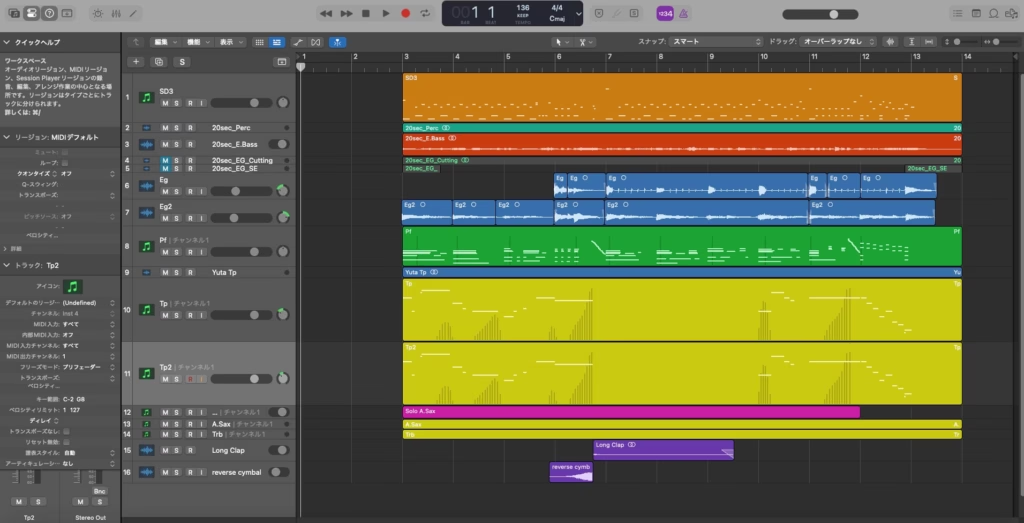
Recording your own singing is also a useful way to check your Japanese pronunciation.
When you are singing, it can be difficult to notice small pronunciation mistakes.
However, when you listen to your recording, you may discover things you did not notice before.
For example, ask yourself these questions.
- Do my vowels sound natural?
- Are my consonants clear?
- Does my Japanese word rhythm sound correct?
- Are the lyrics easy to understand?
You can also compare your recording with the original Japanese singer.
Try to notice the differences and practice the parts that need improvement.
You do not need to make everything perfect from the beginning.
By improving one small thing at a time, you can gradually make your Japanese pronunciation sound more natural.
How to Practice Japanese Pronunciation When Singing

So far, we have introduced seven important tips for improving your Japanese pronunciation when singing.
However, trying to practice everything at once may be difficult.
If you are a beginner, try following these simple steps.
- Choose your favorite J-POP or anime song.
- Check the meaning of the lyrics.
- Listen carefully to the Japanese singer’s pronunciation.
- Practice difficult words slowly.
- Try singing the melody using only vowels.
- Sing again using the original lyrics.
- Record your singing and check your pronunciation.
You do not need to practice the whole song at first.
Start with the chorus or one of your favorite phrases.
Even a short practice session every day can help you become more comfortable with Japanese pronunciation.
Enjoy Singing Japanese Songs More Naturally!

J-POP and anime songs include many different melodies, lyrics, and musical expressions.
By understanding Japanese pronunciation, you may find that difficult phrases become easier to sing.
Learning the meaning of the lyrics and the rhythm of Japanese words can also help you enjoy the music more deeply.
Try practicing your favorite Japanese songs again and again.
As you improve, you can also discover your own singing style!
Learn Japanese Singing at Honey Music School!
At Honey Music School, we offer Singing Course and Pro Singer Course for people who want to sing Japanese songs.
Through our online lessons with native Japanese instructors, you can learn your favorite J-POP, anime songs, and Vocaloid music.
You can practice not only vocal techniques, pitch, and rhythm, but also Japanese pronunciation and emotional expression.
We also offer special opportunities through our membership.
Students can join music production collaborations and have opportunities to share their own original songs on our FM radio program in Japan.
You can not only learn how to sing but also try creating and sharing your own music!
If you want to sing Japanese songs more naturally or are interested in Japanese music, please feel free to book a free trial lesson at Honey Music School.
We look forward to seeing you!

Recommended Articles



Honey Music School / Representative
I’m from Machida, Tokyo. I made my debut as a composer at the age of 23 and as a lyricist at 28.
With hands-on experience in recording studios, I have worked on a wide range of projects, including music production for anime, TV programs, and gaming-related content, as well as sound engineering for major artists.
I have also spoken at government-hosted seminars and produced city promotion videos. Through my work, I aim to contribute to local communities and society through music.
I am currently based in Fukuoka City, Japan. In my free time, I enjoy watching baseball and spending time at home.