Hello! I’m Takaharu Moriya from Honey Music School, where we offer online lessons in Japanese music composition and arrangement.
This article is for people who are interested in DTM and music production, but are not sure about the difference between “composition” and “arrangement” in vocal songs.
If you have just started learning music production or DTM, you may have questions like these:
- What is the difference between composition and arrangement?
- If I make a melody, does that mean I am composing?
- At what point do accompaniment and programming become arrangement?
- I am not sure what I should study first.
Many beginners feel this way.
In fact, composition and arrangement are closely connected, so it can be difficult to understand the difference at first.
In this article, I will explain the difference between composition and arrangement in DTM as simply as possible.
What Is Composition?
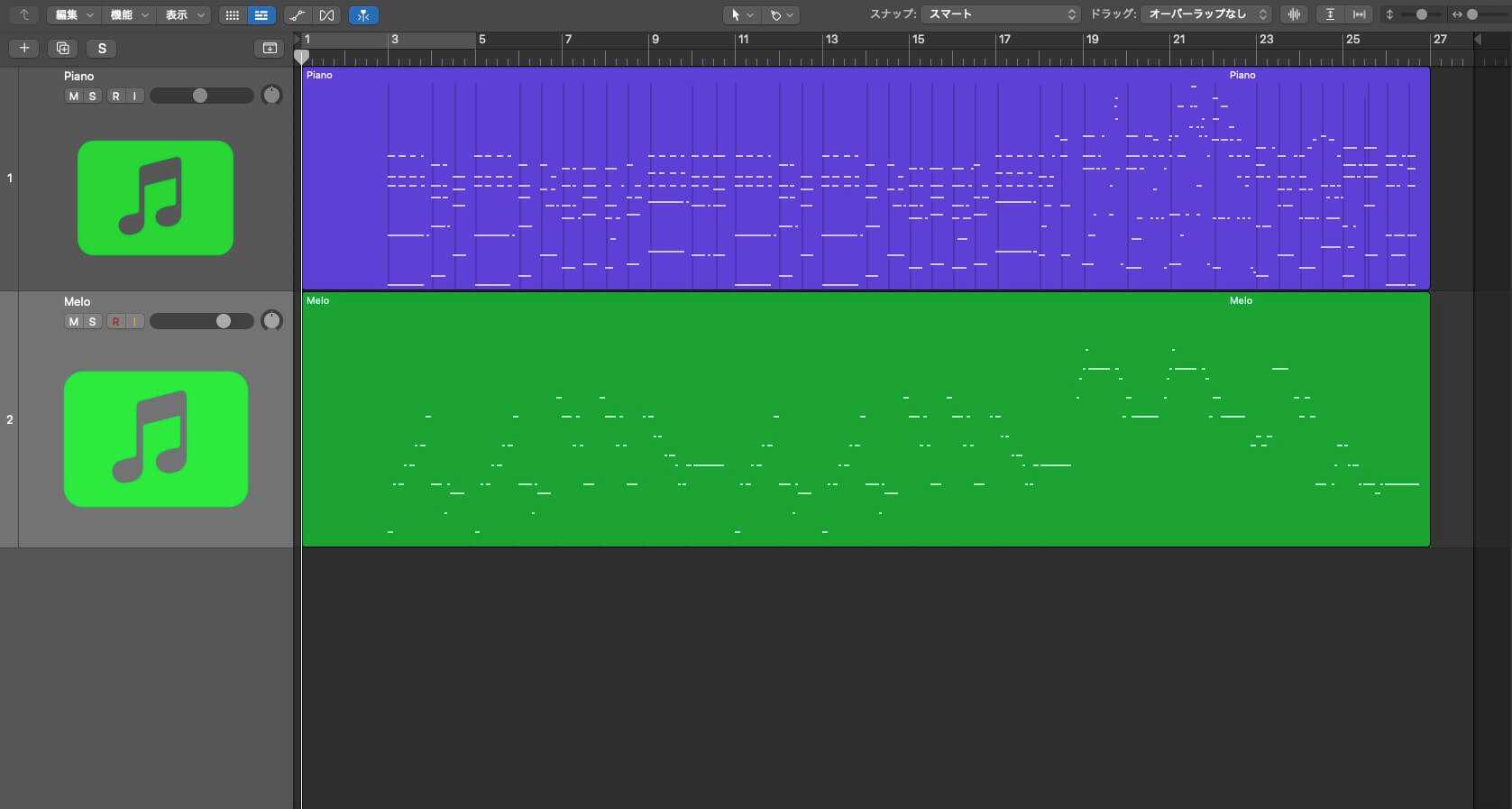
Composition means creating the core part of a song.
For example, the following tasks are often part of composition:
- Creating a melody
- Creating a chord progression
- Building the basic flow of the song
To put it very simply, composition is the process of shaping the main idea of the song.
Even if you are only humming a melody or adding chords on the piano or guitar, you are already doing part of the composition process.
Of course, the way people compose can be different depending on the genre and the composer. However, the main role of composition is to create the central idea of the song.
What Is Arrangement?
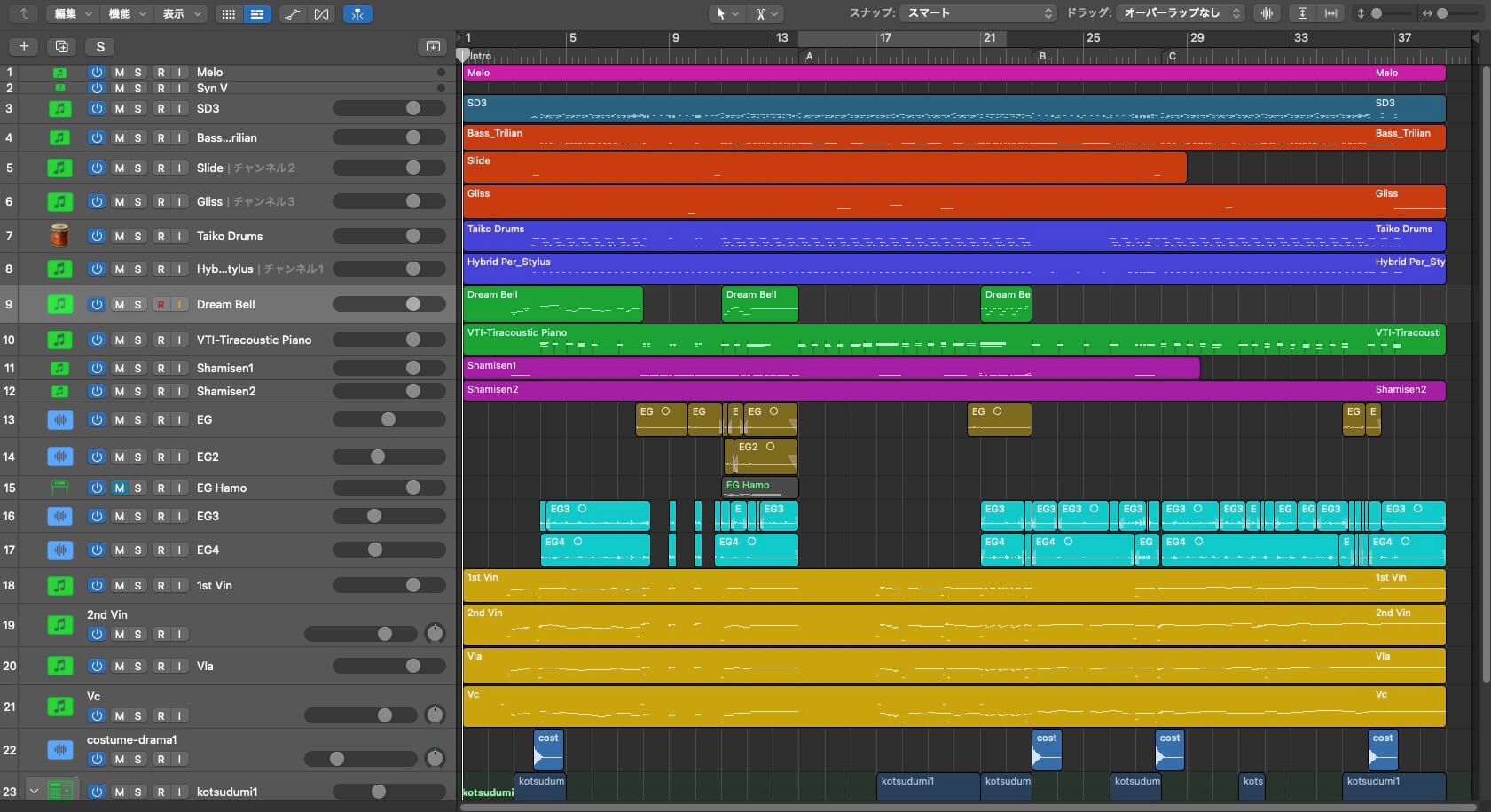
In DTM, arrangement means deciding how the song will sound to the listener.
For example, the following points are often related to arrangement:
- What instruments to use
- What rhythm to choose
- What tempo to use
- How to create the accompaniment
- What kind of mood or atmosphere to create
Even with the same melody and chord progression, the song can sound very different depending on whether it becomes a ballad, a rock song, or dance music.
When the composer and arranger are different people, the arranger may even change the chords chosen by the composer.
In other words, arrangement is the process of turning the song created through composition into a more complete and concrete musical sound.
The Difference Between Composition and Arrangement
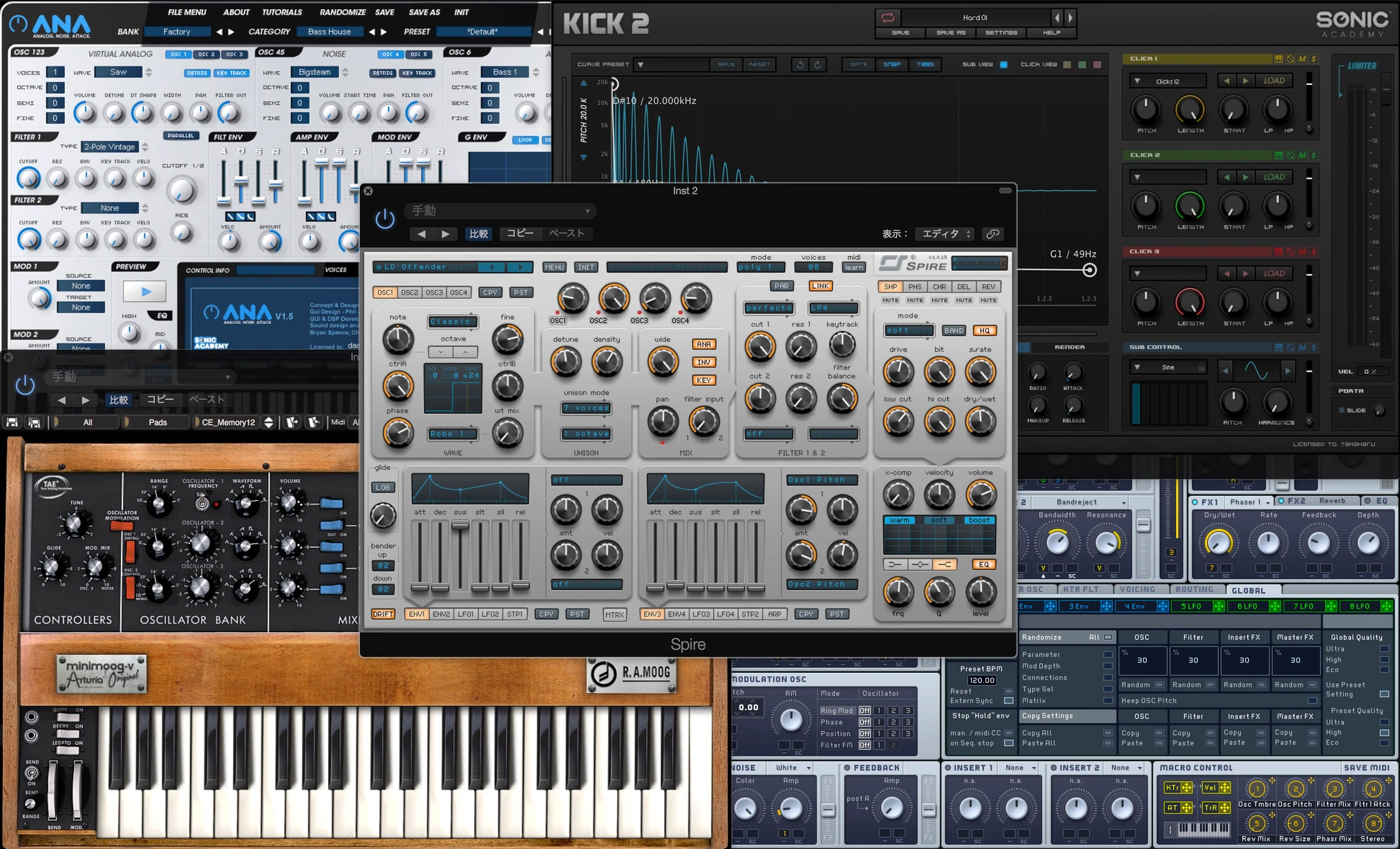
In DTM, the difference between composition and arrangement can be explained simply like this:
Composition means creating the foundation of the song.
Arrangement means deciding how that song will be presented and heard.
For example, if you only have a melody and chords, the song may still be like a basic framework.
When you add drums, bass, piano, guitar, synths, and other sounds, and when you create the overall mood and development of the song, the arrangement side becomes stronger.
Of course, in real music production, these two roles are not always clearly separated.
Sometimes you may get arrangement ideas while composing. Sometimes you may review the melody or song structure while arranging.
However, if you understand the difference between these roles, it becomes easier to understand what part of the production process you are working on.
Looking at the World of Commercial Music
Before DTM became common, I have heard that there were composers who made simple demo tapes and created melodies, and there were also professional arrangers who worked separately as specialists.
One exception is music for films, TV dramas, and background music. In those cases, composers often handle the arrangement as well.
Today, creators are often expected not only to compose and arrange, but also to mix their own music. Because of this, the workload for one music creator has become much heavier than before.
Arrangement Skills Are Very Important in DTM
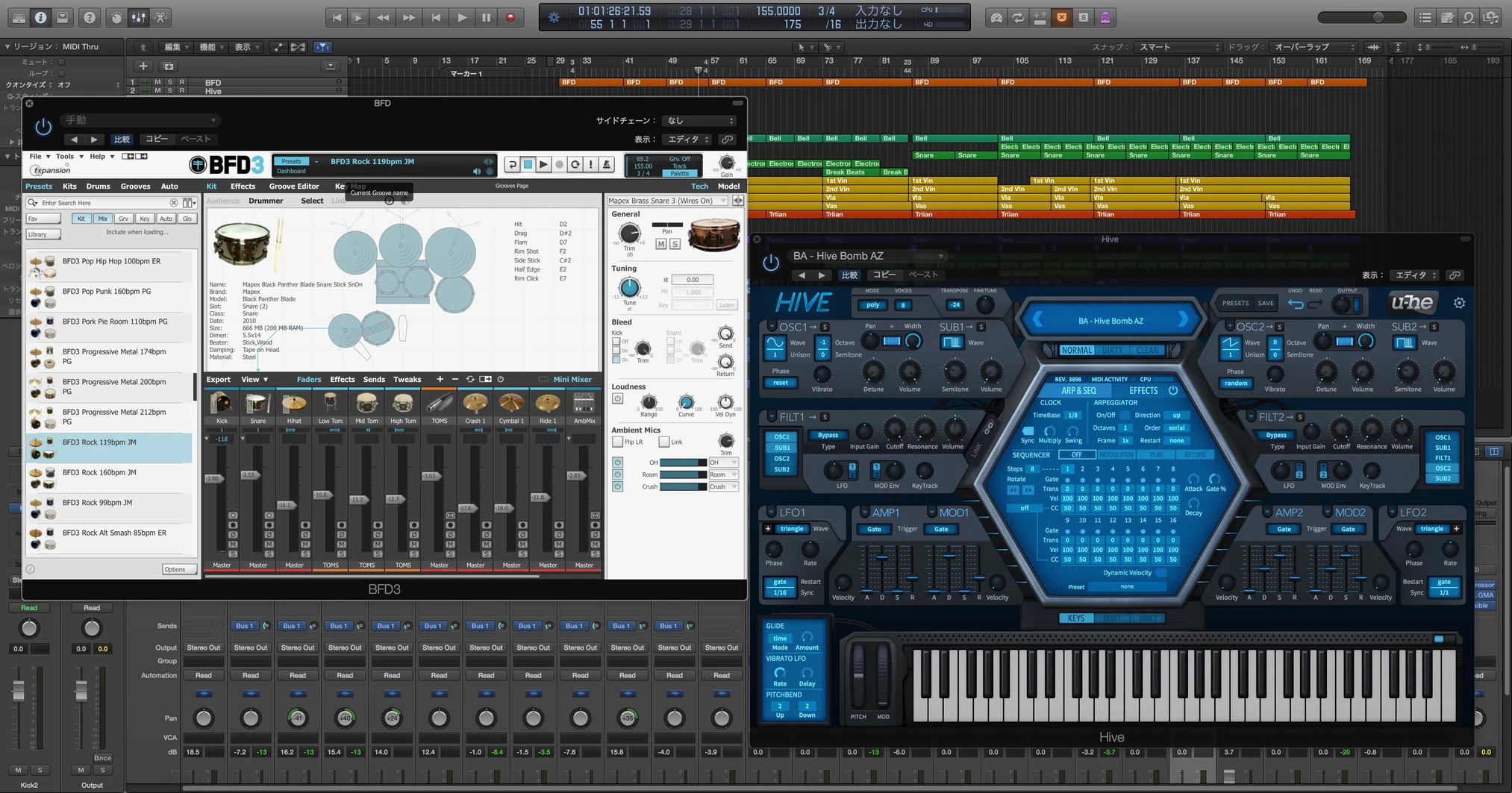
In modern DTM, many people create programmed parts and accompaniment by themselves. Because of this, arrangement skills are very important.
For example, you need to think about things such as:
- What kind of drum pattern to use
- How the bass should move
- What sound to use for the chords
- Where the song should become exciting
- Where the song should become calmer
In other words, it is not enough to only create a melody and chords. How you develop those ideas into a complete sound also has a big effect on the quality of the final work.
Many DTM beginners feel, “I think I have composed the song, but something is missing.”
In that case, the problem may not only be composition. It may also be necessary to learn arrangement.
At Honey Music School, we regularly meet students who say, “I can compose, but I cannot arrange.”
When we listen to their demo tracks, sometimes the song is roughly shaped, but the chords they have chosen are not very effective. In other cases, before talking about drums or strings, the student may not even notice that the melody and accompaniment are in different keys.
If You Can Learn Both, It Becomes Easier to Complete Your Music

Composition and arrangement have different roles. However, if you gradually learn both ways of thinking, it becomes easier to finish your music.
For example, even if you create a good melody, the song may still feel weak if the arrangement does not work well.
On the other hand, even if you have many arrangement ideas, the song may not be memorable if the core idea is weak.
That is why it is important to understand both composition and arrangement little by little, instead of focusing on only one side.
Personally, I can imagine part of the arrangement while I am composing, so I spend a lot of time creating the melody and chords. In fact, I may spend more time thinking than actually moving my hands.
Today, it has become very common for one music creator to handle both composition and arrangement.
Even when submitting songs to music competitions or commercial song opportunities, creators often need to arrange their own songs. Therefore, arrangement skills are often necessary.
Which Should Beginners Learn First?

This depends on what you want to do.
For example, if you want to:
- Create music from melodies and chords
- Write original songs
- Understand how songs are built
then it may be easier to start by learning composition.
On the other hand, if you want to:
- Create accompaniment
- Learn music programming
- Make the whole song sound richer
- Make your own song sound more complete
then it is important to learn arrangement.
However, in modern music production, songs are often made using DTM. Because of this, it can be difficult to completely separate composition and arrangement.
The important thing is to understand where you are having trouble now.
I once heard a story from someone I know. They felt that the quality of their released song was not as good as they had hoped.
In that case, another creator handled the arrangement, and the final version felt weaker than the original demo. They had created the song hoping that both the composition and arrangement would be accepted, but in the end, only the composition, or melody, was used.
What Should You Do If You Are Not Sure What You Need?
Many beginners are not sure whether they are stuck at the composition stage or the arrangement stage.
For example, some people can think of melodies but cannot create accompaniment. Some people can make accompaniment, but cannot make the whole song feel complete. Some people do not understand chords, but still want to create sounds with a nice atmosphere.
Everyone has different problems.
First, try to think about this:
- Am I having trouble creating the core idea of the song?
- Or am I having trouble turning that song into a complete sound?
Just thinking about this can help you understand what you should learn next.
If It Is Difficult to Learn Alone, Lessons Can Be an Option
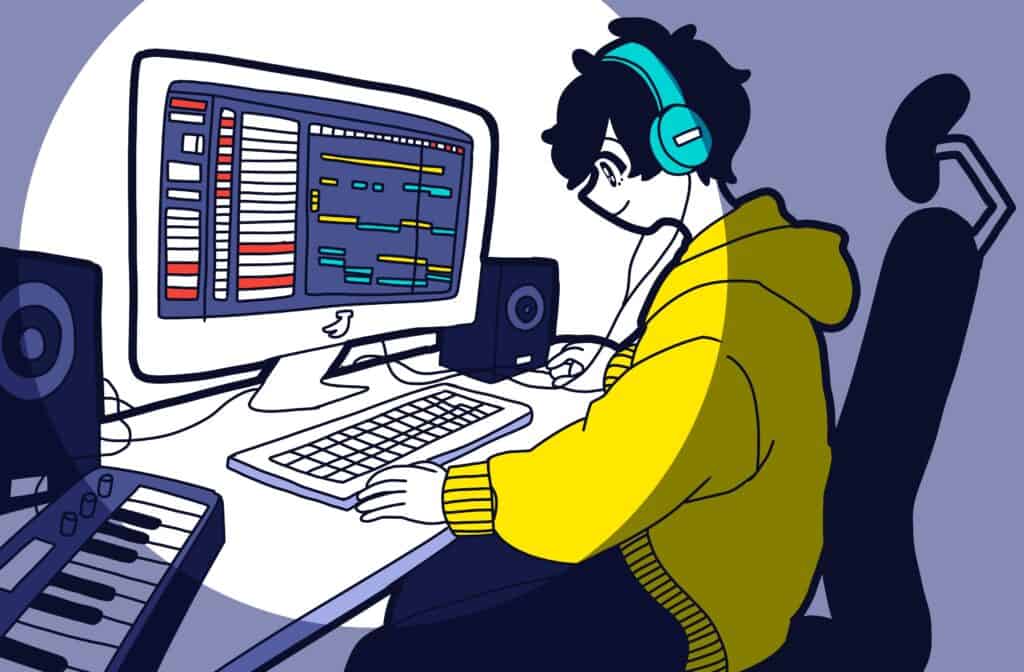
When you study by yourself, you may continue without clearly understanding the difference between composition and arrangement.
As a result, you may feel things like:
- I do not know what I should study.
- I thought I was having trouble with composition, but actually I was stuck with arrangement.
- Before learning arrangement, I needed to organize my composition first.
These situations are very common.
At Honey Music School, we offer one-on-one lessons, so we can help you organize your problems based on your own goals and music.
For example, if you want to organize your understanding of composition, the Music Theory Course may be helpful.
If you want to learn arrangement and music programming, the DTM (Desktop Music) Course may be a good choice.
We can think about the best lesson content based on your needs.
Honey Music School also offers opportunities outside regular lessons, such as music collaboration projects between students, office and shop BGM projects, and chances to introduce student music on FM radio.
These activities can help you gain practical experience, not only lesson knowledge.

Honey Music School / Representative
I’m from Machida, Tokyo. I made my debut as a composer at the age of 23 and as a lyricist at 28.
With hands-on experience in recording studios, I have worked on a wide range of projects, including music production for anime, TV programs, and gaming-related content, as well as sound engineering for major artists.
I have also spoken at government-hosted seminars and produced city promotion videos. Through my work, I aim to contribute to local communities and society through music.
I am currently based in Fukuoka City, Japan. In my free time, I enjoy watching baseball and spending time at home.